
All speakers are listed in alphabetical order.
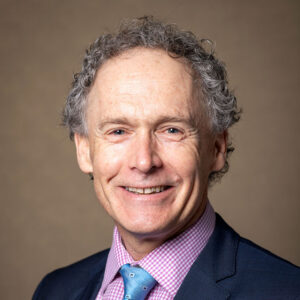
ASRH Keynote | The Kirby Institute
Does the 4CMenB meningitis B vaccine prevent gonorrhoea? Lessons learned from the GoGoVax trial
Our GoGoVax randomised trial showed that 4CMenB meningococcal B vaccine does not prevent gonorrhoea in high-risk gay and bisexual men. This was despite multiple previous observational studies suggesting a preventive effect. This discrepancy highlights the importance of randomised trials in the assessment of efficacy of pharmaceutical interventions. Ongoing trials will report soon on the effect of vaccination in women and other people at lower gonorrhoea risk.
Scientia Professor Andrew Grulich is Head of the HIV Epidemiology and Prevention Program at the Kirby Institute, University of New South Wales. He has worked in HIV/STI prevention in gay and bisexual men for more than 3 decades and sits on the Governing Council of the International AIDS Society

HIV&AIDS Keynote | Ragon Institute of MGB, MIT and Harvard
The global quest for durable immune control of HIV
Less than 1% of persons living with HIV have the extraordinary ability to control HIV without medications, making them essentially functionally cured. Emerging data support the hypothesis that the immune system may be trained to do this in persons on ART.
Dr. Walker is a physician-scientist, the founding and current Institute Director of the Ragon Institute of Mass General Brigham, MIT and Harvard, and a Howard Hughes Medical Institute investigator. His laboratory studies T cell immune responses to chronic viral infections, using HIV as a model system.
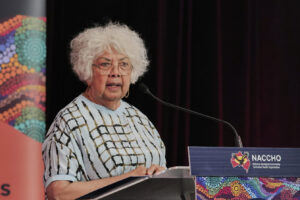
ASRH Keynote | PSM FAHA CEO NACCHO
Control of STIs on First Nations Communities - successes today and the future
Shame and stigma should never stand between our people and healthcare. Aboriginal Community Controlled Health Organisations deliver trusted, culturally safe prevention, education, testing and treatment close to home. Sustained investment in community control is how we build on today’s successes and reduce the transmission and impact of STIs and blood-borne viruses for the long term.
Dawn Casey is a Tagalaka traditional owner from North Queensland. Dawn joined the National Aboriginal Community Controlled Health Organisation in 2016 as Deputy CEO and was appointed CEO in 2026. Dawn is co-chair of the National Aboriginal and Torres Strait Islander Health Protection Sub-Committee and a member of the Australian Health Protection Committee.
Dawn has held full-time positions as Director of the Western Australian Museum, Powerhouse Museum and National Museum of Australia. Dawn was responsible for managing the design and construction of the National Museum of Australia and the Australian Institute of Aboriginal and Torres Strait Islander Studies through a world first project delivery alliance contract. Dawn has also held part-time positions as Chair of Indigenous Land Corporation and Indigenous Business Australia and her career also includes a number of key executive positions in the Public Sector in areas including: Department of Prime Minister and Cabinet, Indigenous Affairs, Cultural Heritage and Overseas Aid and Development.
Dawn has been awarded; three Honorary Doctorates (QLD Charles Sturt, QLD and Macquarie Universities), Commonwealth Government’s Public Service Medal (PSM), Australian Government’s Centenary Medal, three Australia Day Public Service Medals, the Australian Institute of Architects’ Clem Cummings Award, a Fellow of the Australian Academy of the Humanities (FAHA) and in 2021 the Sidney Sax Public Health Medal.

HIV&AIDS Keynote | Deakin University
Critical care in the future HIV response: what can we learn from the history of nurses on the frontline of Australia’s AIDS crisis?
The story of how nurses and their unions worked in partnership with the gay community to respond to HIV and AIDS in Australia is an inspiring example of care and solidarity, and can help us think critically about how we respond to HIV today and into the future.
Dr Geraldine Fela is an award-winning historian and Postdoctoral Research Fellow in the School of Humanities and Social Sciences at Deakin University. Her research traverses histories of gender and sexuality, labour, social movements and medicine.
Her first book, Critical Care: Nurses on the frontline of Australia’s AIDS crisis was published by UNSW Press in July 2024. In 2025, Critical Care was awarded the Prime Minister’s Literary Award in the category of Australian history, and was shortlisted in the NSW History Awards.

HIV&AIDS Keynote | Faculty of Medicine, University Malaya, Kuala Lumpur, Malaysia
PrEP implementation in Malaysia: Lessons for the region
Malaysia’s implementation of PrEP offers a distinctive case study in advancing evidence-based HIV prevention into real world practice. This presentation explores how cultural, religious, and health system considerations shape programme design and delivery, highlighting contextually grounded, scalable strategies and transferable lessons for the region.
Dr. Iskandar Azwa is an Associate Professor of Infectious Diseases and the Clinical Lead for the HIV service in the Infectious Diseases Unit, Faculty of Medicine, University Malaya, Kuala Lumpur.
He is also the Director of the Centre of Excellence for Research in Infectious Diseases & AIDS (CERIA), Faculty of Medicine, University Malaya.
His research interests include HIV pre-exposure prophylaxis (PrEP) implementation research, HIV resistance and evaluation of novel HIV treatment strategies in resource-limited settings.
He is the site Principal Investigator (PI) for several international collaborative HIV clinical trials that have shaped HIV guidelines both locally and globally. Much of his recent work has focused on increasing community access to HIV prevention biomedical interventions and implementation differentiated service delivery models of HIV care and prevention, including m-health and pharmacy-led service delivery models. He has been a member of several WHO guidelines development groups on HIV treatment and prevention since 2020.
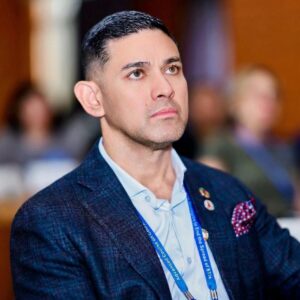
HIV&AIDS Keynote | Ministry of Health and Medical Services - Fiji
From Emergency to System: Building Fiji’s HIV Response in Real Time
Fiji’s HIV epidemic is a reminder that outbreaks do not wait for systems to catch up. Our challenge is not simply to control transmission, but to build the governance, workforce, partnerships, and community trust needed to sustain a national response for decades to come. This presentation is about what it takes to build that system in real time, while the epidemic continues to evolve around us.
Dr Jason Leo Iane Mitchell is a Fijian public health leader working at the intersection of HIV, sexual health, and health systems transformation in the Pacific. With over two decades of experience, his work spans policy development, programme design, and institutional strengthening across national and regional responses.
He currently leads Fiji’s HIV epidemic response, bringing together government, communities, and partners to deliver evidence-informed, culturally grounded solutions. Jason’s work is driven by a commitment to equity, dignity, and rethinking sexual health beyond disease control, with a focus on building responsive systems that reflect the realities of Pacific peoples.

HIV&AIDS Keynote | Patsin/napwha
Our Mob, Our Health: Centring Aboriginal Voices in the HIV Response: Lessons From 21 Years of the Positive Aboriginal and Torres Strait Islander Network (PATSIN)
The impacts of HIV on Aboriginal and Torres Strait Islander people are different from those of the broader positive community. We have higher rates of heterosexual transmission than non-indigenous communities. We have higher rates of transmission through injecting drug use. And since our communities experience much higher rates of incarceration, this creates a whole lot of problems around testing, confidentiality, access to treatment both in and out of custody, and safe access to clean injecting equipment…. And these challenges don’t sit in isolation. They sit right on top of every other challenge facing Aboriginal people and their communities- housing instability, chronic illness, early death, intergenerational disadvantage that goes back generations. Our people don’t just have HIV. So there is a need for Aboriginal and Torres Strait Islander people living with HIV having a seat at the table, at every level so their voices continue to be amplified in Australia’s response to eliminating HIV for everyone.
Michelle Tobin is an Aboriginal woman of the Yorta Yorta Nation and a descendant of the Stolen Generation. She is a mother to two daughters and 6 grandchildren and lives on the Central Coast NSW with her partner of 20 years. She has lived with HIV for over 36 years, lost her husband to HIV in 1992 and experienced many levels of stigma and discrimination. This drove Michelle to become a passionate, vocal advocate for HIV issues.
Michelle worked with the HIV Speakers Bureau for many years and served on several state-and national-level HIV boards and committees. She sits on the Board of the Anwernekenhe National HIV Alliance. (The ANA) as the representative living with HIV and is a community member and Convener of the Positive Aboriginal and Torres Strait Islander Network (PATSIN). Michelle is a director on the board of NAPWHA and a member of the National Association of People with HIV Australia’s Femme Fatales network and one of two women across Australia who advocate for Aboriginal & Torres Strait Islander people living with HIV. She represents the positive voice of Aboriginal and Torres Strait Islander peoples, especially women, on several advisory committees.
Recently completed a Graduate Diploma in Indigenous Health Promotion -Social Emotional Wellbeing at Sydney University and worked with Positive Life NSW in developing The Aboriginal and Torres Strait Islander People Living With or at Risk of HIV Health Co-Designed Project is a needs assessment of the Aboriginal and Torres Strait Islander (Indigenous) community of NSW, regarding and with consideration to: accessing and engaging with services (including health and social determinants of health-related services); accessing pre-exposure prophylaxis (PrEP) and antiretroviral medication (ART); lifestyle choices, including transience; rates of incarceration/custody; and public health orders.
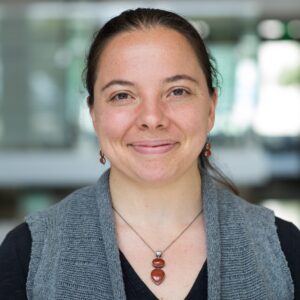
HIV&AIDS Keynote | University of California, San Francisco
Clinical trial data characterising a promising combination immunotherapy strategy for functional HIV Cure
Rachel Rutishauser, MD, PhD is an Infectious Disease physician-scientist and Associate Professor in the Division of Experimental Medicine at the University of California, San Francisco. The Rutishauser laboratory studies immunologic mechanisms of HIV control.

ASRH Keynote | Care and Public Health Research Institute at Maastricht University, the Netherlands Centre for Infectious Disease Control at the National Institute for Public Health and the Environment, the Netherlands
Chlamydia screening – a real-world policy change: experience and impact of reducing asymptomatic testing
The Netherlands has stopped routine asymptomatic chlamydia testing, one of the first large-scale, nationwide cases of de-implementation in STI care. At its core, it is a story of diagnostic stewardship: testing the right people, not everyone. Through complementary lenses of process and impact, tracked across the first year of implementation, this presentation examines how de-implementation was achieved in practice and what other settings can learn from it.
Alexiou’s work sits at the intersection of infectious disease epidemiology and implementation science. She focuses on how emerging evidence, guidelines, and diagnostic innovations can be integrated into STI care, with a particular interest in antimicrobial overuse. Her current research examines how targeted chlamydia testing translates into practice, using mixed methods to capture effects across the health system.
Wednesday Morning HIV&AIDS and ASRH Plenary
A candid, forward-looking panel reimagining contraceptive counselling at the time of abortion care through a reproductive justice lens. This panel brings together clinical and lived experience perspectives to consider what it looks like to centre agency at every step of the consultation.

Panel Facilitator | University of Melbourne, Australia
Carrie (she/her) is a PhD candidate at the University of Melbourne exploring person-centred abortion care for the Australian context. Her work takes a reproductive justice approach to understanding the needs, preferences, and values of abortion seekers regarding high quality care and interrogates how power can undermine its provision.

Panelist | Monash Health, Australia
Dr Karen Freilich (she/her) is a General Practitioner and a Sexual Medicine Specialist at Monash Health's Sexual Medicine & Therapy Clinic. Karen has completed a Masters of Reproductive and Sexual Health Research in London (LSHTM) and completed training through European Society of Sexual Medicine (ESSM) School in Budapest. In 2022, Karen was awarded the RACGP Australian Registrar of the Year Award. Karen was an Academic GP Registrar at Monash University and currently lectures and tutors Sexual Health through University of Melbourne's Medical School.

Panelist | The Abortion Project, Australia
Hannah Bambra is a writer, abortion peer support and reproductive health advocate.

Panelist | Progressive Therapeutic Counselling, Australia
Sarah Newbold is a counsellor, social worker, consultant, and writer with more than 20 years’ experience. She is passionate about abortion access, reproductive justice, and supporting people to make informed decisions about their bodies, relationships, and futures. Her work spans sexual and reproductive health, trauma and the relational impacts of emerging technologies.
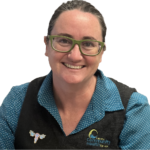
Panelist | Latrobe Community Health Services, Australia
Cath Bateman is the Abortion, Contraception and Sexual Health Nurse Practitioner Candidate at the Latrobe Sexual and Reproductive Health Hub in Gippsland Victoria. Working across three sites Cath provides nurse-led consultations on all things SRH in the primary health environment. Working with a dedicated, if somewhat brown-beaten bunch of fabulous GPs, Cath provides early medical abortion, contraception, STI screening and treatment and much more with a community health approach - meaning that services are exclusively bulk billed because sexual and reproductive health and rights is a community concern as well as an individual need. A dedicated community health comrade, Cath has worked in nursing in community health or community organisations since 2008 when she got her first job with YWCA Victoria during the Victorian Abortion Law Reform process.
Wednesday HIV&AIDS Closing Plenary
Join a panel of speakers for a fast-paced, 2v2-style debate that puts this question under the spotlight, challenging assumptions, testing the evidence, and bringing just the right amount of heat to the conversation.

Debate Moderator | The Kirby Institute, Australia
Curtis is a Research Associate with the HIV Epidemiology and Prevention Program. He is currently working on projects involving behavioural surveillance and administrative data on sexual health behaviours and HIV prevention among men who have sex with men.
Pro Side:
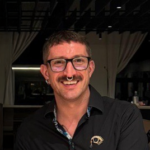
Thorne Harbour Health, Australia
Chris is co-founder of 'PrEP'D For Change' — Australia's first grassroots PrEP community, supporting people online since 2015. He's spent over a decade in health communications and is now the Program Manager for emen8, a national HIV and sexual health education initiative delivered in partnership between Thorne Harbour Health and ACON.

The Kirby Institute, Australia
Benjamin Bavinton has worked in HIV prevention and research for over 15 years in Australia and internationally. He is a research fellow at the Kirby Institute, UNSW Sydney, focusing on the biomedical, behavioural and epidemiological aspects of HIV prevention among gay and bisexual men in Australia and the Asia-Pacific region.
Against Side:
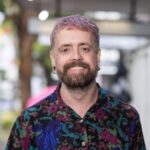
National Association of People With HIV Australia (NAPWHA)
Beau Newham is a dedicated HIV-positive community leader with extensive contributions to HIV advocacy in Australia and Southeast Asia. Beau currently manages NAPWHA's 'HIVtest.au' program, the first national HIV self-testing service in Australia. He is also passionate about community history, and is the co-founder of the Queer Indonesia Archive - the first community run LGBTIQA+ communtiy archive in South-East Asia and is currently leading 'Tracing our Memories'' a material history review of people with HIV in Australia.

Alfred Hospital, Monash Central Clinical School, Australia
Associate Professor Edwina Wright is an infectious disease physician at the Alfred Hospital, Monash Central Clinical School. She is an Honorary Associate Professor at the Peter Doherty Institute and Honorary Principal Fellow at the Burnet Institute. Her research interests include HIV prevention, HIV cure and HIV dementia. Dr Wright was awarded an Order of Australia for her work in HIV Medicine and Research in 2021.
Thursday ASRH Closing Plenary
Social media misinformation and disinformation about sexual and reproductive health is everywhere. What’s the solution and how can we combat the myths and mistruths with evidence and information that meets the needs of the people who need it most? Our panellists will discuss everything you need to know but might have been too afraid to ask!

Panel Facilitator | University of Sydney, Australia
Melissa Kang is a GP, co-head of the General Practice Clinical School, and Professor of Adolescent Health at the University of Sydney. Her research has focused on adolescent sexuality and sexual health, and on access and health system navigation for young people.

Panelist | Sexual Health Advocates For Reproductive Equity, Australia
Ellen Ungerer is a Research Officer with Sexual Health Advocates for Reproductive Equity (SHARE) and a PhD student at the University of the Sunshine Coast. Her research explores critical health literacy within health service contexts, alongside a commitment to advancing equitable access to contraception and evidence-based sexual and reproductive health information.

Panelist | La Trobe University, Australia
Caroline de Moel is a public health lecturer at La Trobe University and former Dutch general practitioner. Her research focuses on improving women's health through health services research, evidence synthesis, digital health communication, and the development of evidence-informed models of care that promote equitable access to high-quality healthcare.

Panelist | Bond University, Australia
Jessica is a Registered Nurse and Assistant Professor of Medicine. Jess uses Instagram to unpack health trends and spot red flags online, leveraging public trust in nurses. She holds a PhD in Medicine and several postgraduate degrees, including Science Communication. She has published on health literacy, science communication and is a trusted expert on health professionals as science communicators.
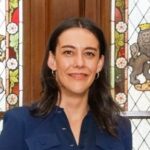
Panelist | Content Creator, Australia
Georgia is a criminologist and policy officer specialising in law reform and human rights. Passionate about evidence-based, rights-protecting legislation, Georgia has developed social media content and fact checks to counter increasing disinformation on abortion, abortion laws and human rights used in recent attempts around Australia to undermine access to safe and legal healthcare.